Understanding the psychology of gambling how emotions drive casino behavior
By Gustavo Brito in Public on 9 de junho de 2026
Understanding the psychology of gambling how emotions drive casino behavior
The Emotional Triggers of Gambling
The world of gambling is deeply intertwined with human emotions. Players often enter casinos seeking excitement, thrill, and an escape from everyday life. This emotional drive can lead individuals to make impulsive decisions, resulting in significant financial consequences. The anticipation of winning can generate a powerful adrenaline rush, while losing can provoke feelings of frustration or despair. Understanding these emotional triggers is essential for both players and operators to create a balanced gaming environment. Many players, for example, find themselves enthralled by the offerings of RizSpin Casino, which has a variety of games designed to enhance the gaming experience.
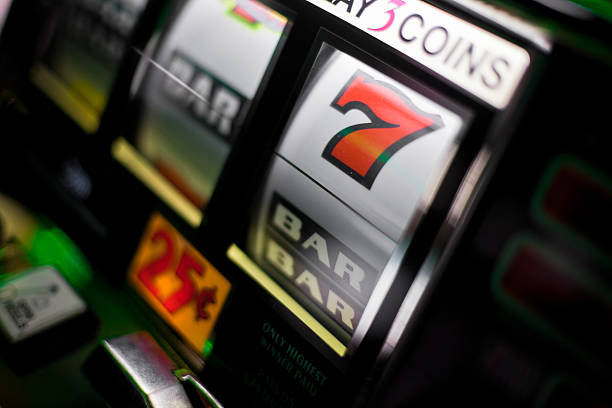
Research indicates that emotions such as excitement and hope can significantly influence gambling behavior. These emotions can compel individuals to engage more frequently, often leading to a cycle of betting driven by the highs of potential winnings. Conversely, negative emotions like anxiety and boredom can lead to increased gambling as individuals seek to alleviate their discomfort. This duality highlights the complex relationship between emotions and gambling decisions, illustrating the necessity for awareness of one’s emotional state when entering a casino.
Additionally, the environment of a casino plays a crucial role in shaping emotions. Factors like lighting, sound, and even the layout of gaming areas can evoke specific feelings that encourage longer play sessions. For example, the use of bright lights and engaging sounds can create an atmosphere of euphoria, making it difficult for players to leave. This emotional manipulation is strategic and well-understood by casino operators who design their spaces to maximize player engagement through emotional arousal.
The Role of Cognitive Biases in Gambling Behavior
Cognitive biases, or systematic patterns of deviation from norm or rationality in judgment, significantly impact how individuals perceive gambling experiences. One common bias is the illusion of control, where players believe they can influence outcomes in games of chance, such as slots or roulette. This fallacy can lead to increased engagement and spending, as players feel empowered by their misguided sense of agency. Recognizing these biases is critical for understanding why some players may gamble more than they can afford.
Another prevalent cognitive bias in gambling is the gambler’s fallacy, where individuals believe that past results affect future outcomes. For instance, if a particular number has not been hit in a while, players might think it is “due” to come up soon. This belief can lead to illogical betting patterns and increased wagers, fostering a cycle of risk-taking behavior that can be hard to break. This tendency to misinterpret randomness fuels emotional responses, further complicating the decision-making process in gambling.
Understanding these cognitive biases is vital for creating effective responsible gambling strategies. Casinos and online platforms can develop educational resources that help players recognize these biases and make more informed decisions. By increasing awareness, players can learn to approach gambling more rationally, potentially mitigating the emotional turbulence that often accompanies impulsive betting behaviors.
The Impact of Social Influence on Gambling Behavior
Social dynamics play a pivotal role in shaping gambling behavior. People often gamble in groups, whether at a physical casino or online, and this social environment can amplify emotions and decision-making processes. The presence of peers can heighten excitement and lead to increased betting as individuals strive to match or exceed the behavior of those around them. This social pressure can create a feedback loop where players are influenced by each other’s emotional states, resulting in more significant losses and larger bets.
Moreover, the phenomenon of social validation can lead individuals to gamble in ways they might not consider when alone. When surrounded by enthusiastic companions, one might take greater risks, feeling encouraged by the collective thrill of potential winnings. This behavior illustrates how emotions can be contagious, affecting individual choices within a group context. Understanding this social dimension is essential for recognizing how community dynamics can exacerbate the emotional highs and lows of gambling.
The influence of social media has also transformed modern gambling behaviors. Online gaming platforms often utilize social features, like sharing winnings or engaging with friends, which can enhance the emotional experience. While these elements can make gaming more enjoyable, they also risk amplifying impulsive gambling decisions. As players engage more frequently with their networks, the blending of social validation and emotional investment can lead to intensified gaming behaviors, necessitating thoughtful regulation and education around responsible gaming.
Emotional Recovery After Gambling Losses
The emotional aftermath of gambling losses is a critical aspect of the psychological landscape of gamblers. After experiencing a significant loss, players often go through a variety of emotional stages, including denial, anger, and sadness. These emotions can lead to a desire to chase losses, where players believe that by continuing to gamble, they can recover their previous losses. This cycle can be damaging, both financially and emotionally, as it often leads to greater losses and increased feelings of despair.
Understanding the emotional recovery process is vital for supporting individuals struggling with gambling addiction. Many gamblers find solace in discussing their experiences with support groups or counselors, which can help them process their emotions constructively. Addressing these feelings rather than suppressing them can pave the way for healthier coping mechanisms and reduce the likelihood of returning to gambling as a means of escape. Awareness of this recovery journey is essential for fostering resilience in gamblers.
Additionally, the implementation of responsible gambling strategies can play a crucial role in emotional recovery. Many casinos now provide resources and support for individuals who may be struggling with their gambling behaviors. These initiatives can include self-exclusion programs, financial counseling, and educational workshops about the emotional dynamics of gambling. By prioritizing emotional well-being, both players and operators can contribute to a more sustainable gambling environment that fosters responsible gaming practices.

RizSpin Casino: A Focus on Emotional Engagement
RizSpin Casino understands the intricate relationship between emotions and gaming behavior. By offering a diverse range of over 2,600 games, including slots and live dealer options, it creates an engaging environment where players can enjoy their favorite activities while being mindful of their emotional states. The casino’s design incorporates elements that enhance excitement without overwhelming players, allowing for an enjoyable experience.
Recognizing the importance of responsible gaming, RizSpin Casino offers various resources for players to help them navigate their emotional experiences. With a 100% welcome bonus and ongoing promotions, players can engage in a thrilling gaming atmosphere while being encouraged to play responsibly. Additionally, the casino provides 24/7 customer support to assist players in managing their gaming habits and addressing any concerns they may have.
In fostering an environment that values emotional health and responsible gambling, RizSpin Casino sets a standard for the industry. By prioritizing player well-being while delivering a thrilling gaming experience, it ensures that players can enjoy their time without compromising their emotional stability. This commitment not only enhances player satisfaction but also contributes to a healthier gaming culture overall.